Introduction
Total knee replacement can help people with severe knee pain move better. However, recovery does not end with surgery. In fact, physiotherapy after total knee replacement is key for a smooth recovery. Many patients ask if they need physical therapy after knee surgery. This blog explains who should consider physiotherapy and why it matters for post knee replacement rehabilitation.
What Is Total Knee Replacement?
Total knee replacement is a surgery to replace a damaged knee joint with an artificial one. Doctors often suggest this for people with severe arthritis or injury. After surgery, the new joint helps reduce pain and improve movement. However, the knee needs time and care to heal well. For this reason, a good recovery plan is important.
Why Is Physiotherapy Important After Knee Replacement?
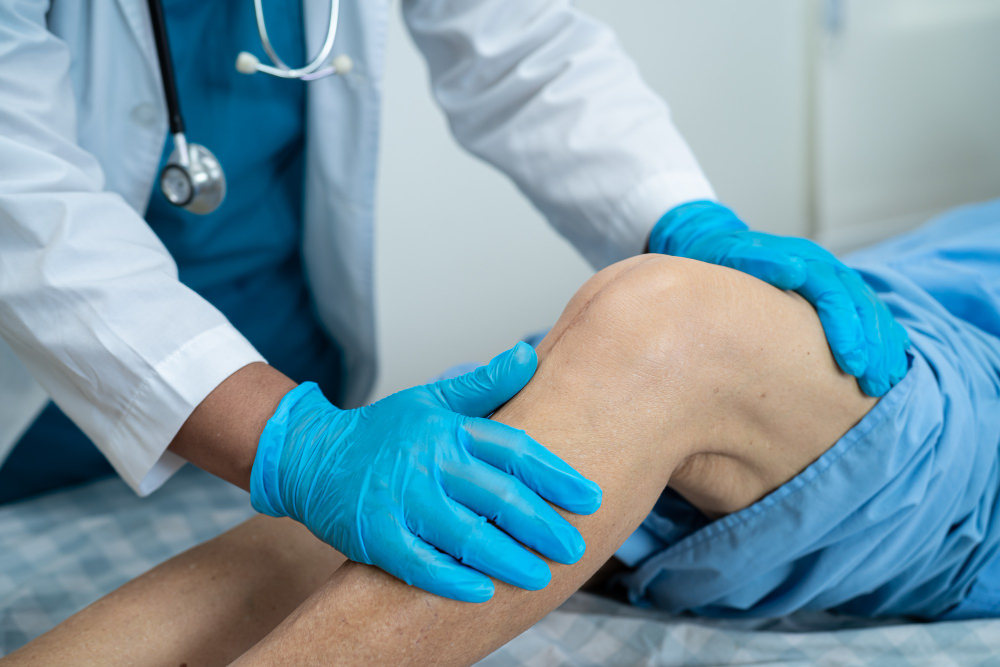
Physiotherapy helps patients regain strength and movement in the knee. After surgery, muscles can become weak and stiff. With guided exercises, patients can walk better and return to daily activities. Moreover, physical therapy after knee surgery lowers the risk of problems like blood clots or joint stiffness. According to the World Health Organization (WHO), early movement after surgery supports faster healing.
Who Should Consider Physiotherapy After Total Knee Replacement?
Almost everyone who has a total knee replacement should consider physiotherapy. However, some people may need it even more, such as:
Even if you feel strong, a physiotherapist can guide you safely through recovery after total knee replacement.
Benefits of Physiotherapy for Knee Replacement Patients
Physiotherapy offers many benefits for people after knee surgery. For example, it can:
With regular sessions, patients often see steady progress each week.
What to Expect During Physiotherapy Sessions
During your first visit, the physiotherapist will check your knee and ask about your goals. Then, you will learn safe exercises to do at home. Most sessions include:
As you improve, the exercises will become a bit harder. However, your therapist will make sure you do not overdo it.
Tips for a Successful Recovery
Recovering after total knee replacement takes time and effort. To help your progress, try these tips:
Above all, be patient with yourself. Each person heals at their own pace.
When to Consult a Physiotherapist
It is best to start physiotherapy soon after surgery, often within a few days. However, you should also see a physiotherapist if you notice:
Early help can prevent bigger problems and support a better recovery after total knee replacement.
Conclusion
In summary, physiotherapy after total knee replacement is vital for most patients. It helps you regain strength, move better, and return to daily life. If you or a loved one has had knee surgery, consult Dr Rahul Shyam for personalized advice after total knee replacement.