Introduction to Antenatal Exercise and Its Importance
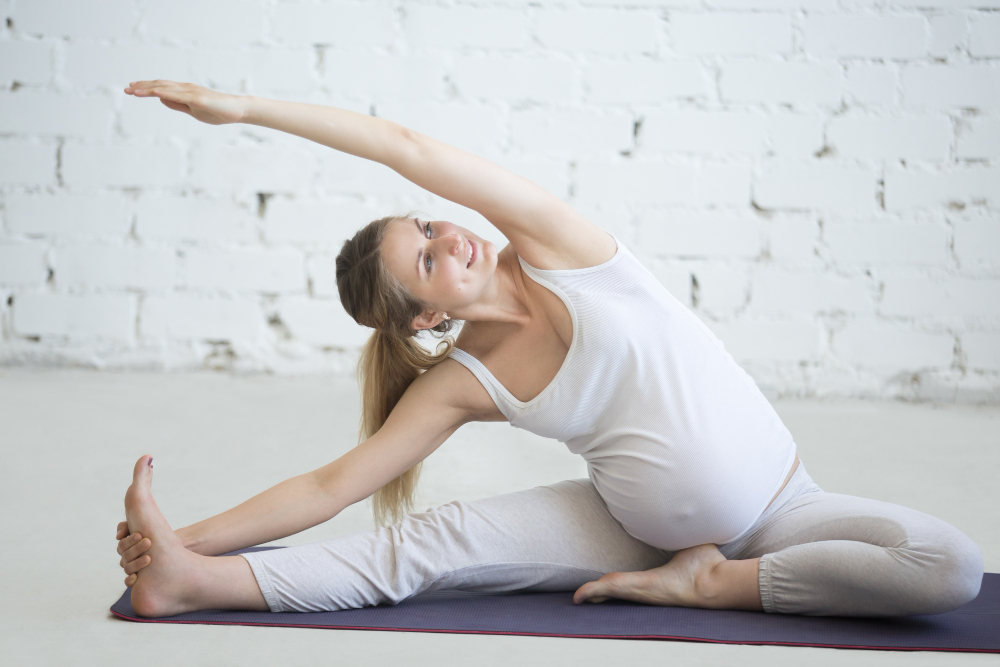
Staying active during pregnancy is important for both mother and baby. The benefits of antenatal exercise go beyond just keeping fit. In fact, safe pregnancy exercises can help you feel better, sleep well, and prepare for childbirth. According to the World Health Organization (WHO), regular exercise during pregnancy is safe for most women. However, it is always best to check with your doctor before starting any new routine.
Physical Benefits for Mother and Baby
There are many physical advantages to staying active while pregnant. For example, exercise during pregnancy can help you manage weight gain. It also strengthens your muscles and improves your posture. As a result, you may feel less back pain and swelling. Additionally, studies show that antenatal fitness benefits include:
Moreover, babies of active mothers may have healthier birth weights. Some research even suggests better brain development for the baby. Clearly, these exercise during pregnancy advantages can make a big difference.
Mental and Emotional Benefits
Not only does exercise help your body, but it also supports your mind. For instance, regular movement can boost your mood and lower stress. Many women find that antenatal exercise helps them sleep better. Furthermore, it can reduce feelings of anxiety or depression. According to the Centers for Disease Control and Prevention (CDC), staying active can improve your overall well-being during pregnancy.
Safety Tips and Precautions
While exercise is helpful, safety comes first. Always warm up before starting. Drink plenty of water and avoid overheating. If you feel dizzy, stop and rest. Here are some key safety tips:
Importantly, if you notice pain, bleeding, or shortness of breath, contact your doctor right away.
How to Get Started: Types of Recommended Exercises
Getting started is easier than you think. First, talk to your healthcare provider. Then, try these safe pregnancy exercises:
Start slow and build up as you feel comfortable. Even 20–30 minutes a day can bring big benefits.
Common Myths and Facts
There are many myths about exercise during pregnancy. Let’s clear up a few:
Remember, always follow your doctor’s advice for the best results.
When to Consult a Healthcare Professional
Although exercise is safe for most, some women need extra care. You should consult your healthcare provider if you have:
Even if you feel healthy, it is wise to get a check-up before starting any new exercise plan.
Conclusion
In summary, the benefits of antenatal exercise are clear—it helps both mother and baby stay healthy and happy. However, every pregnancy is unique. Consult Dr. Rahul Shyam, a physiotherapist, or your healthcare provider before starting any antenatal exercise program for personalized advice.