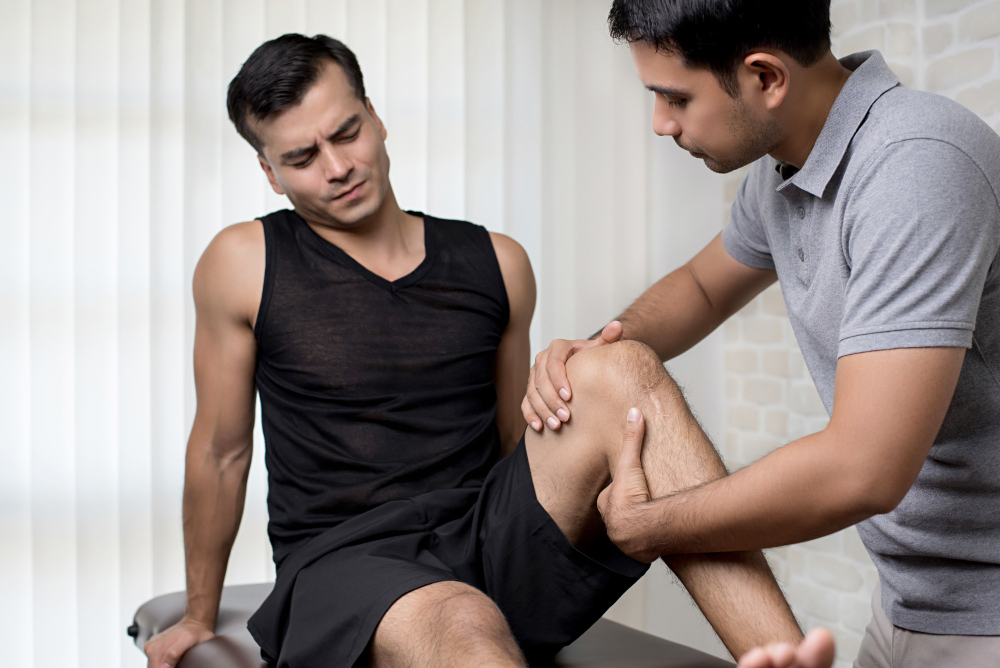
A meniscus tear is a common knee injury. The meniscus is a piece of cartilage that cushions your knee joint. When it tears, you may feel pain, swelling, or trouble moving your knee. Physiotherapy for meniscus tear is a key treatment. It helps reduce pain, restore movement, and speed up healing. With the right meniscus tear rehabilitation, many people avoid surgery. In this blog, you will learn about symptoms, diagnosis, and effective knee injury physiotherapy. We will also share tips for prevention and recovery.
What is a Meniscus Tear?
The meniscus is a rubbery, C-shaped disc in your knee. It acts as a shock absorber between your thighbone and shinbone. Usually, a meniscus tear happens during sports or sudden twisting movements. However, it can also occur from simple activities, especially in older adults. People who play sports like football or basketball are at higher risk. But, anyone can get a meniscus tear, even from squatting or lifting heavy objects.
Symptoms of a Meniscus Tear
Often, symptoms appear right after the injury. But sometimes, they develop slowly. Common signs include:
Diagnosis of Meniscus Tear
Doctors use several steps to diagnose a meniscus tear. First, they ask about your symptoms and how the injury happened. Next, they examine your knee for swelling, tenderness, or movement problems. Often, they use special tests to check for pain or clicking in the knee. Sometimes, doctors order imaging tests like an MRI. This scan shows the soft tissues in your knee and helps confirm the diagnosis. X-rays may also be used to rule out broken bones.
Role of Physiotherapy in Meniscus Tear Recovery
Physiotherapy for meniscus tear plays a big role in recovery. The main goals are to reduce pain, restore movement, and strengthen the knee. With proper knee injury physiotherapy, many people heal without surgery. In addition, physiotherapy helps you return to daily activities faster. It also lowers the risk of future knee injuries. According to the American Academy of Orthopaedic Surgeons, physical therapy for meniscus injury is often the first step in treatment.
Effective Physiotherapy Treatments
Physiotherapists use many evidence-based techniques for meniscus tear rehabilitation. These treatments are safe and help you heal faster. Common physiotherapy treatments include:
Some simple exercises you may do at home include:
Always follow your physiotherapist’s advice before starting any exercise. They will guide you on the right intensity and frequency.
Prevention and Lifestyle Guidance
Although not all meniscus tears can be prevented, you can lower your risk. For example, keep your knee muscles strong and flexible. Warm up before exercise and use proper techniques during sports. In addition, wear supportive shoes and avoid sudden twisting movements. If you have knee pain, rest and seek help early. Maintaining a healthy weight also reduces stress on your knees.
When to Seek Professional Help
Sometimes, a meniscus tear needs urgent care. Seek medical help if you notice:
Early treatment can prevent further damage and speed up recovery.
Conclusion
In summary, physiotherapy for meniscus tear is a safe and effective way to heal. It helps reduce pain, restore movement, and prevent future injuries. If you suspect a meniscus tear, consult Dr Rahul Shyam for personalized meniscus tear rehabilitation and recovery advice.
Sources: American Academy of Orthopaedic Surgeons, Centers for Disease Control and Prevention, PubMed