
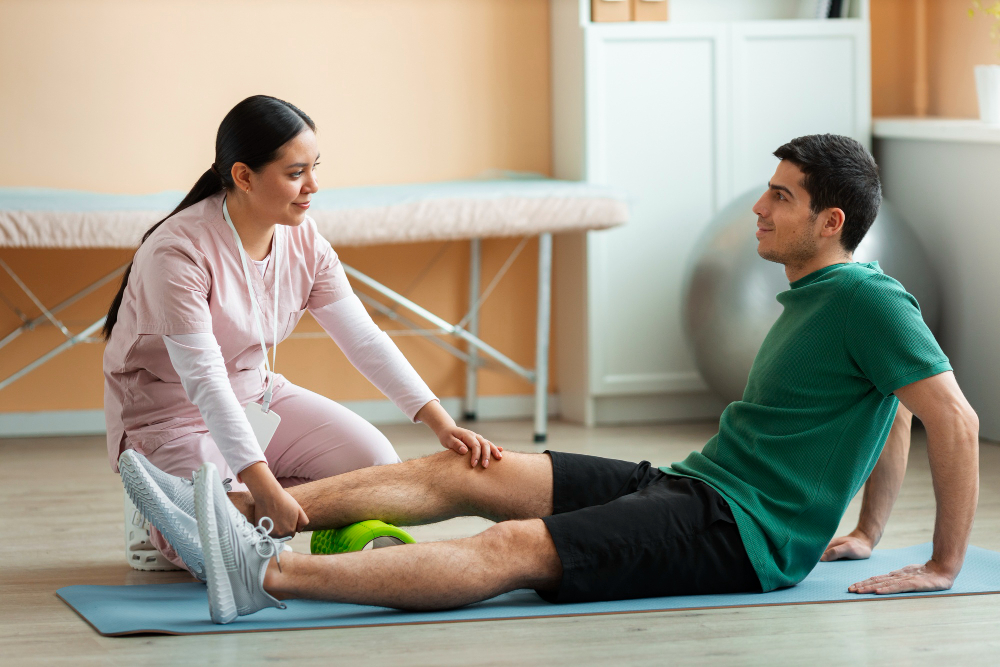
If you have knee pain, you may wonder about safe exercises. Step-ups can help strengthen your legs and support your knees. In this guide, you will learn how to do step-ups for knee pain. Many people use step-up exercise for knee pain because it is simple and effective. When done correctly, step-ups can improve knee strength and reduce discomfort. However, it is important to follow the right steps to avoid injury. This blog will show you how to do step-ups safely at home and explain their benefits for knee pain relief.
What Are Step-ups?
Step-ups are a simple exercise. You step up onto a raised platform, then step back down. For example, you can use a sturdy step, bench, or even stairs at home. This exercise works your thigh, hip, and buttock muscles. Because it is easy to do, many people choose step-ups as a safe knee exercise at home. Step-ups are often used in physiotherapy for knee pain relief. They help build strength and balance without putting too much stress on your knees.
Benefits of Step-ups for Knee Pain
Step-ups offer many benefits for people with knee pain. For instance, they help strengthen the muscles around your knee. Strong muscles support your joint and can reduce pain. In addition, step-ups improve balance and stability. This can lower your risk of falls or further injury. According to the CDC and medical studies, regular exercise like step-ups can help manage knee pain and improve movement. Here are some key benefits:
How To Do Step-ups Safely: Step-by-Step Guide
It is important to do step-ups the right way. This helps prevent injury and gets the best results. Follow these steps for safe step-up exercise for knee pain:
While doing step-ups, keep your back straight and look forward. Also, make sure your knee stays over your ankle, not past your toes. If you feel pain, stop and rest. You can hold onto a railing or wall for balance if needed. For people in busy cities, step-ups for knee pain in [your city] can be done on stairs at home or in parks.
Common Mistakes to Avoid
Even though step-ups are simple, mistakes can happen. Avoiding these errors will help protect your knees:
Instead, focus on slow, controlled movements. Always use a step that feels safe and steady. If you are unsure, ask a physiotherapist for advice on safe knee exercises at home.
Tips for Maximizing Results
To get the most from your step-up exercise for knee pain, try these tips:
Additionally, staying consistent helps build strength over time. You may notice less knee pain and better movement after a few weeks.
When to Avoid Step-ups or Seek Medical Advice
Step-ups are safe for most people. However, there are times when you should avoid them or talk to a doctor. For example, if you have severe knee pain, swelling, or a recent injury, do not do step-ups. Also, if you feel sharp pain while exercising, stop right away. You should seek medical advice if:
In these cases, a physiotherapist can guide you on the best exercises for knee pain relief. They can also help you avoid movements that may cause harm.
In summary, step-ups are a simple and effective way to manage knee pain. When done safely, they can help you build strength and support your knees. However, always listen to your body and seek help if needed. Consult Dr. Rahul Shyam for personalized advice on knee pain exercises.